
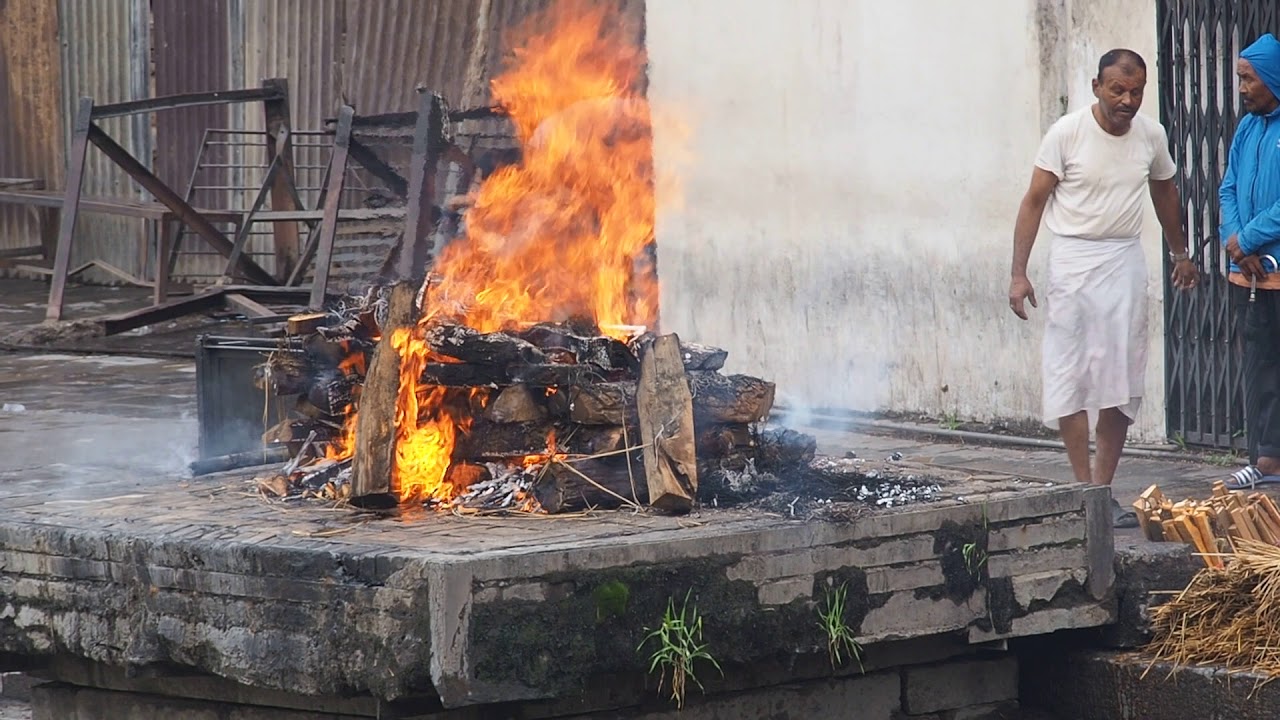
Wooden cremation holds deep spiritual and cultural significance in Hindu funeral traditions. For centuries, it has been the most commonly followed method of performing last rites, symbolizing the return of the physical body to the five elements of nature. Even today, many families prefer a traditional wood cremation service to honor their loved ones according to religious customs.
Understanding the step-by-step process of wooden cremation can help families navigate this emotional time with clarity and respect.
Importance of Wooden Cremation in Hindu Traditions
In Hinduism, death is seen as a transition of the soul from one life to another. The physical body is considered temporary, and cremation is believed to मुक्त (liberate) the soul from its earthly form.
Wood cremation service plays an essential role in these rituals, as fire (Agni) is considered sacred and acts as a purifier. It is believed that Agni carries the soul toward its next journey, making the cremation process spiritually significant.
Step-by-Step Process of Wooden Cremation
1. Preparation of the Body
After death, the body is bathed and cleaned by family members or professionals. It is then dressed in simple, clean clothes—usually white in most Hindu communities. Sacred items like tulsi leaves or Ganga jal may be placed in the mouth as part of the ritual.
The body is then placed on a stretcher (bier), often decorated with flowers, and wrapped in a white cloth.
2. Final Darshan and Prayers
Family members and close relatives gather to pay their last respects, known as “antim darshan.” Prayers and मंत्र (chants) are recited for the peace of the departed soul.
This moment allows loved ones to say their final goodbye and offer श्रद्धांजलि (tributes).
3. Transportation to the Cremation Ground
The body is carried to the cremation ground, traditionally by male family members, while chanting “Ram Naam Satya Hai.” Today, professional wood cremation service providers arrange hearse vans for safe and respectful transportation.
4. Preparation of the Pyre
At the cremation ground, a wooden pyre is prepared using logs arranged in a specific manner. The body is placed on the pyre, and additional wood is placed on top to cover it completely.
The type and quantity of wood used may vary depending on customs and family preferences.
5. Rituals Before Ignition
A priest (pandit) guides the family through essential rituals. The chief mourner, usually the eldest son or closest male relative, performs rites such as circling the pyre and offering prayers.
These rituals are meant to honor the departed soul and seek blessings for its peaceful journey.
6. Lighting the Pyre (Mukhagni)
The most important ritual is the lighting of the pyre, known as “Mukhagni.” The chief mourner lights the fire, traditionally near the मुख (face) of the deceased.
This act symbolizes the final farewell and the beginning of the soul’s journey beyond the physical world.
7. Kapal Kriya
During the cremation, a ritual called “Kapal Kriya” may be performed. This involves cracking the skull with a bamboo stick, symbolizing the release of the soul from the body.
This step holds deep spiritual meaning and is performed under the guidance of a priest.
8. Completion of Cremation
The cremation process usually takes several hours. Family members may stay until the process is complete or return later to collect the ashes.
Professional wood cremation service providers often assist in managing the entire process efficiently.
9. Collection of Ashes (Asthi Sanchayan)
After the cremation is complete, the ashes and remains (asthi) are collected by the family, usually on the next day.
These ashes are later immersed in a holy river, such as the Ganga, in a ritual known as “Asthi Visarjan.”
Role of Wood Cremation Service Providers
Modern wood cremation service providers play a crucial role in supporting families during this difficult time. They help with:
- Arrangement of the cremation ground
- Supply of wood and materials
- Transportation of the body
- Coordination with priests
- Assistance with rituals and documentation
Their support ensures that all rituals are performed smoothly and respectfully, reducing stress for grieving families.
Balancing Tradition and Practical Needs
While electric cremation is gaining popularity, wooden cremation continues to hold emotional and religious importance for many families. It offers a sense of continuity with traditions and provides spiritual comfort.
At the same time, professional services have made it easier to manage the process in urban settings, combining tradition with convenience.
Conclusion
The step-by-step process of wooden cremation in Hindu funeral traditions reflects deep-rooted beliefs about life, death, and the soul’s journey. Each ritual carries spiritual meaning and helps families find closure while honoring their loved ones.
Choosing a reliable wood cremation service ensures that these sacred rites are performed with dignity, care, and adherence to tradition. During a time of loss, having experienced guidance can make the process more peaceful and meaningful.