
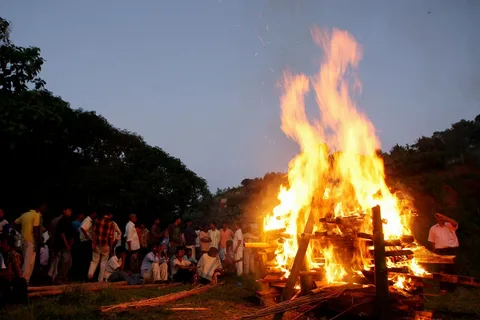
Traditional wood cremation is a deeply rooted practice in India, especially within Hindu culture. It represents the final journey of the physical body, returning it to nature while allowing the soul to move forward. Even in modern cities where facilities have evolved, families still follow these sacred rituals, including those opting for Wood Cremation in pune and Wood Cremation in banglore.
Spiritual Significance of Wood Cremation
Wood cremation is based on the belief that fire is a purifying element. It helps release the soul (atma) from the body and allows it to attain peace.
Step 1: Preparing the Body
The first step begins at home or the hospital:
- The body is bathed and cleaned as a mark of respect.
- It is dressed in simple clothes, usually white.
- Family members place flowers and garlands.
- The body is then placed on a bier (arthi) for the final journey.
This preparation is done with care and dignity, ensuring the departed is honored properly.
Step 2: Final Procession
The body is carried to the cremation ground by family and friends:
- People chant prayers or sacred mantras.
- The procession symbolizes the final farewell.
In urban areas offering Wood Cremation in pune and Wood Cremation in banglore, transportation services are often arranged to assist families.
Step 3: Setting Up the Funeral Pyre
At the cremation ground:
- A pyre is prepared using logs of wood such as mango or sandalwood.
- The body is placed carefully on the pyre.
- Additional wood is arranged on top to ensure complete cremation.
Crematorium staff may help in arranging the pyre properly, especially in city-based facilities.
Step 4: Performing Antim Sanskar Rituals
Before lighting the pyre, religious rituals are performed:
- A priest chants Vedic mantras.
- The chief mourner (traditionally the eldest son or close relative) performs the rites.
- Ritual offerings like ghee, sesame seeds, and holy water are used.
These rituals are believed to guide the soul peacefully into the afterlife.
Step 5: Lighting the Pyre
- The chief mourner circles the pyre, usually in a counter-clockwise direction.
- The pyre is then lit, marking the beginning of cremation.
This act, known as Mukhagni, is one of the most important parts of the ceremony.
Step 6: Kapal Kriya Ritual
During the cremation process:
- A ritual called Kapal Kriya may be performed.
- It involves symbolically breaking the skull to release the soul.
This step is performed as per traditional beliefs and varies by region.
Step 7: Collection of Ashes
- After the cremation is complete, the ashes are collected, usually the next day.
- The remains are placed in an urn for further rituals.
Step 8: Asthi Visarjan
The final step involves:
- Immersing the ashes in a holy river such as the Ganga, Yamuna, or other sacred water bodies.
- This ritual signifies the complete return of the body to nature.
Importance in Modern Cities
Despite rapid urbanization, traditional practices continue to hold strong emotional and spiritual value. Facilities supporting Wood Cremation in pune and Wood Cremation in banglore ensure that families can perform these rituals with authenticity while receiving necessary assistance.
Final Thoughts
Wood cremation rituals in India are not just customs they are a meaningful farewell that blends spirituality, tradition, and respect. Understanding each step helps families carry out the process with clarity and peace during a difficult time, while honoring the life and journey of their loved one.