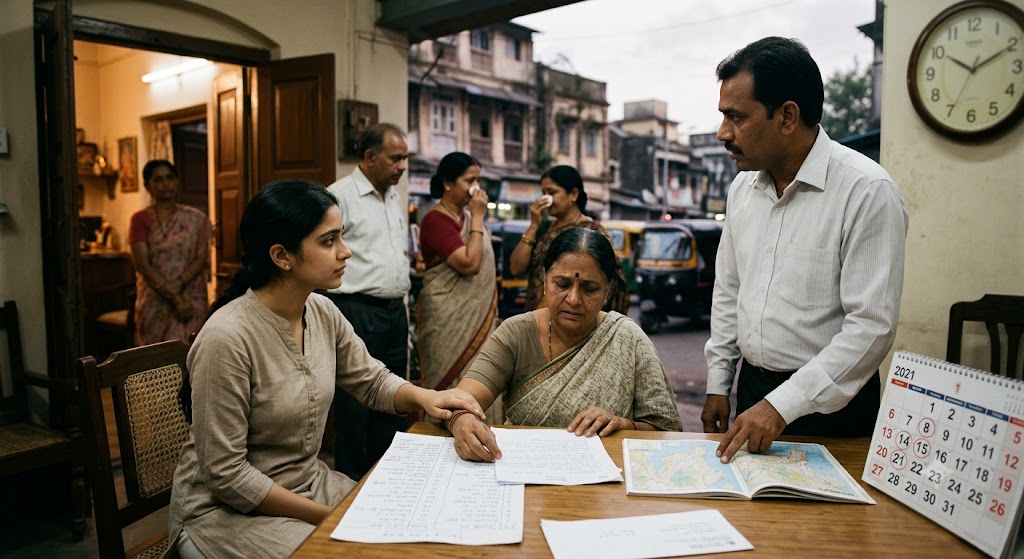
Losing someone close can leave a family facing difficult emotions alongside a number of urgent responsibilities. Arranging a funeral, informing relatives, preparing documents, and coordinating with a crematorium can feel overwhelming when there is little time to make decisions.
During such moments, clear information and considerate assistance can help families understand what needs to be done. Knowing how cremation arrangements work and why scheduling matters can make the process easier to manage.
A Kumar Funeral Services provides funeral assistance to families who need support coordinating arrangements. Understanding the steps involved can help relatives prepare for a respectful farewell while keeping the wishes and traditions of the departed at the centre of their decisions.
Understanding Cremation Arrangements in Mumbai
Cremation is an important part of the final rites for many families. The arrangements can vary according to religious customs, personal preferences, the circumstances of the death, and the facilities available at the chosen crematorium.
When seeking a cremation service in mumbai, families may need help coordinating with a crematorium, organizing transportation, preparing required documents, and confirming the ceremony schedule.
It is useful to discuss these requirements with the funeral service provider as early as possible. Clear communication can help relatives understand the process and identify any details that need attention before the ceremony.
Why Cremation Scheduling Matters
Crematoriums may operate according to designated schedules and available facilities. Families therefore need to confirm the timing of the ceremony rather than assume that a preferred time will be available.
Cremation slot bookings in mumbai involve checking availability and coordinating a suitable time with the relevant crematorium. The process may require information about the deceased, the preferred location, and any documents required by the facility.
Confirming the schedule can help family members plan transportation and inform relatives when and where to gather. It can also reduce uncertainty during an already difficult period.
Information to Gather Before Making Arrangements
Having important details ready can make communication with a funeral provider or crematorium more straightforward.
Families may need to prepare:
- The full name of the deceased
- The location where the deceased is currently being kept
- Contact details for the responsible family member
- The preferred crematorium, if already selected
- The preferred timing, if known
- Relevant medical or official documents
- Any religious or cultural requirements
The exact information and documentation required can vary. Families should confirm the current requirements directly with the relevant authorities and crematorium.
Respecting Religious and Cultural Customs
Funeral traditions are deeply personal. Families may have particular prayers, rituals, or customary practices they wish to observe before or during cremation.
Some ceremonies may require coordination around the arrival of relatives, religious representatives, or specific ritual preparations. Discussing these details early can help the provider understand the family’s expectations.
It is important to confirm which arrangements the crematorium can accommodate. This allows families to prepare realistically while preserving the customs that hold meaning for them.
Organizing Transportation
Transportation may be needed to move the deceased from a hospital, residence, or another location to the crematorium.
When making arrangements, provide accurate pickup and destination details. Confirm the expected timing, the type of vehicle required, and any practical considerations relevant to the journey.
If the deceased needs to be transported over a longer distance, additional planning may be necessary. Families should ask about the arrangements and any documentation that may apply.
Clear communication between the family, funeral provider, and crematorium can help ensure that transportation and scheduling are coordinated appropriately.
Documents and Formalities
The documents required for cremation can depend on where and how the death occurred, as well as the crematorium’s procedures.
When a death occurs in a hospital, hospital staff may explain the relevant paperwork and formalities. Other circumstances may involve additional requirements or contact with the appropriate authorities.
Families should ask which documents must be provided, whether originals are necessary, and who is responsible for submitting them.
Confirming these details in advance can help avoid confusion and preventable delays.
Choosing a Funeral Service Provider
Selecting a provider is an important part of arranging a funeral. Families may wish to consider several practical factors before confirming assistance.
Clear Communication
The provider should explain the available services, the process, and any requirements in language that is easy to understand.
Transparent Charges
Ask for a clear breakdown of the costs. Confirm what is included and whether additional charges may apply for transportation, waiting time, or other arrangements.
Respect for Family Preferences
The provider should listen carefully to the family’s religious, cultural, and personal requirements and explain what can be accommodated.
Scheduling Coordination
Ask how the crematorium timing will be confirmed and who will communicate any changes.
Accessible Assistance
Families should know whom to contact if they have questions or if circumstances change before the ceremony.
These conversations can help relatives understand what to expect and make arrangements with greater clarity.
Managing Arrangements During Grief
Grief can make practical responsibilities feel more difficult. Family members may be making phone calls, contacting relatives, gathering documents, and coordinating travel while processing their loss.
Sharing tasks among trusted relatives or friends can make the workload easier to manage. One person may communicate with the funeral provider, while another gathers paperwork or informs family members about the arrangements.
Families should also give themselves permission to ask for help. Practical support can create more room for relatives to come together and remember the person who has passed away.
Preparing Relatives for the Ceremony
Once the crematorium and timing have been confirmed, families can share the relevant details with relatives and friends.
It may be helpful to communicate:
- The crematorium location
- The confirmed date and time
- Any instructions provided by the facility
- The customary rituals planned by the family
- A contact person for questions
Providing accurate information can help relatives make travel arrangements and arrive prepared.
If the schedule changes, families should confirm the updated details with the provider or crematorium before sharing them.
What to Ask About Cremation Slot Availability
When contacting a crematorium or funeral provider, asking direct questions can help clarify the arrangements.
Families may wish to ask whether the preferred time is available, what information is needed to confirm it, and whether any formalities must be completed beforehand.
They can also ask what happens if the family is delayed or if the schedule needs to change. The crematorium can explain its own procedures and any restrictions that may apply.
A confirmed time and a clear understanding of the next steps can make planning less stressful.
How A Kumar Funeral Services Can Assist
A Kumar Funeral Services can be contacted to discuss funeral requirements and the assistance available for families in Mumbai. When making an enquiry, it is helpful to explain the circumstances, location, preferred cremation method, and any important family customs.
Families seeking a cremation service in mumbai can ask about coordination, transportation, documentation, and the arrangements needed for the selected crematorium.
Those requiring cremation slot bookings in mumbai should confirm the current availability, booking procedure, and any requirements directly with the provider and crematorium. Timings and service details should not be assumed until they have been confirmed.
Creating Space for a Meaningful Farewell
A funeral ceremony is more than a set of arrangements. It gives family and friends an opportunity to gather, offer prayers, observe traditions, and remember the life of someone important to them.
For some families, a simple ceremony may feel right. Others may wish to include several customary rituals or allow time for relatives travelling from different places.
Discussing these wishes with the people coordinating the arrangements can help the ceremony reflect what matters to the family. Thoughtful preparation can also reduce practical distractions on the day.
Conclusion
Arranging cremation involves decisions about scheduling, transportation, documentation, and family traditions. During a period of grief, understanding these responsibilities and confirming the details with the appropriate service providers can help make the process more manageable.
Families should ask clear questions, confirm crematorium availability, and communicate their preferences before finalizing arrangements. This can help relatives prepare for the ceremony and focus on supporting one another.
A Kumar Funeral Services can be contacted to discuss funeral assistance in Mumbai and clarify the arrangements available. With careful coordination and respectful communication, families can organize a farewell that honours the departed and reflects their personal and cultural wishes.